Piping Replacement in Denver, CO
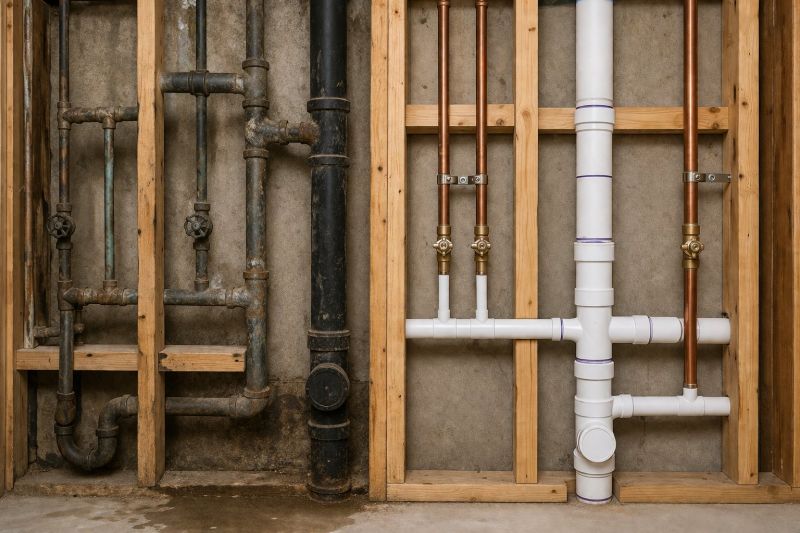
Piping replacement services involve removing and installing new pipes to ensure the proper flow of water, gas, or waste within a property. This work covers a variety of projects, including upgrading aging or damaged pipes, replacing corroded plumbing systems, and installing new piping for renovations or additions. Property owners typically want to understand the scope of the replacement, the materials used, and how the process might impact their daily routines, especially in homes with complex plumbing systems or older infrastructure.
Before requesting piping replacement, homeowners often seek information about the signs indicating a need for new pipes, such as leaks, low water pressure, or frequent clogs. They also want to know about the durability of different piping materials, the expected disruption during installation, and any necessary preparations to minimize inconvenience. Clear communication about these aspects can help property owners make informed decisions and ensure the project aligns with their plumbing needs.
Many property owners in Denver, CO look into Piping Replacement for repairs, replacements, upgrades, and appearance-related improvements.
Signs You Need Piping Replacement
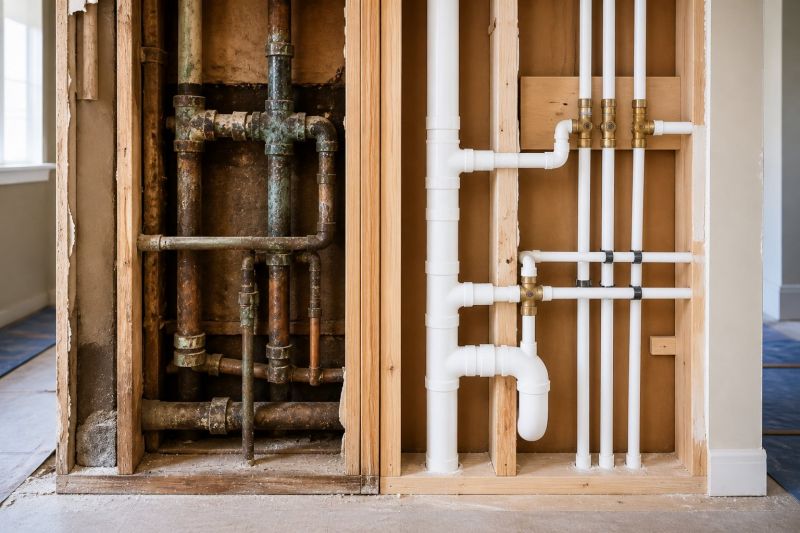
Corrosion, leaks, or low water pressure can indicate the need for pipe replacement.
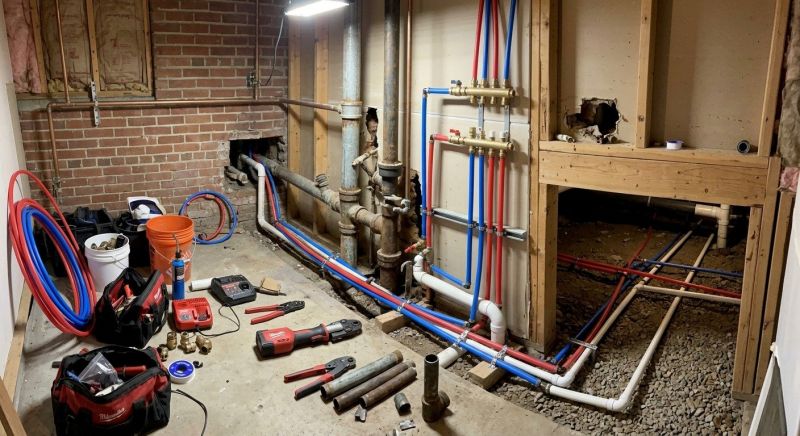
Types Of Piping Materials
Common options include copper, pex, and galvanized pipes suitable for denver homes.
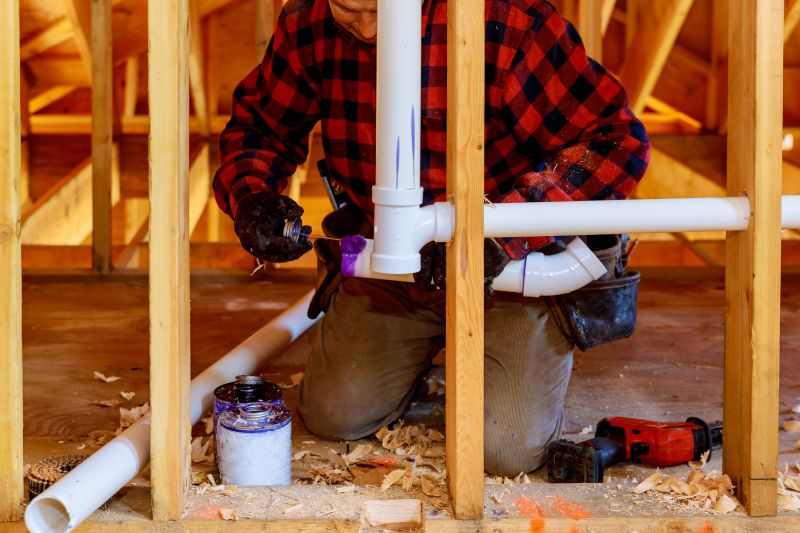
Benefits Of Replacing Old Pipes
Upgrading piping can improve water quality, prevent future leaks, and enhance overall plumbing system reliability.
Piping Replacement in Denver, CO

Piping replacement services involve removing and installing new pipes to ensure the proper flow of water, gas, or waste within a property. This work covers a variety of projects, including upgrading aging or damaged pipes, replacing corroded plumbing systems, and installing new piping for renovations or additions. Property owners typically want to understand the scope of the replacement, the materials used, and how the process might impact their daily routines, especially in homes with complex plumbing systems or older infrastructure.
Before requesting piping replacement, homeowners often seek information about the signs indicating a need for new pipes, such as leaks, low water pressure, or frequent clogs. They also want to know about the durability of different piping materials, the expected disruption during installation, and any necessary preparations to minimize inconvenience. Clear communication about these aspects can help property owners make informed decisions and ensure the project aligns with their plumbing needs.
Many property owners in Denver, CO look into Piping Replacement for repairs, replacements, upgrades, and appearance-related improvements.
Common Piping Replacement Jobs
Residential piping replacement - upgrades to outdated or damaged home plumbing systems.
Commercial piping replacement - essential for maintaining building safety and compliance.
Leak repair and pipe sealing - prevents water damage and reduces utility costs.
Pipe rerouting and remodeling - improves water flow and accessibility in existing layouts.
Emergency pipe replacement - addresses burst pipes or sudden failures promptly.
Main water line replacement - restores reliable water supply for homes and businesses.
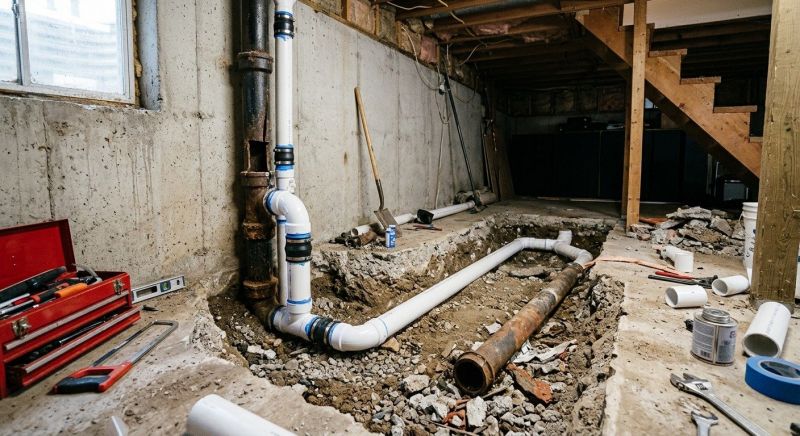
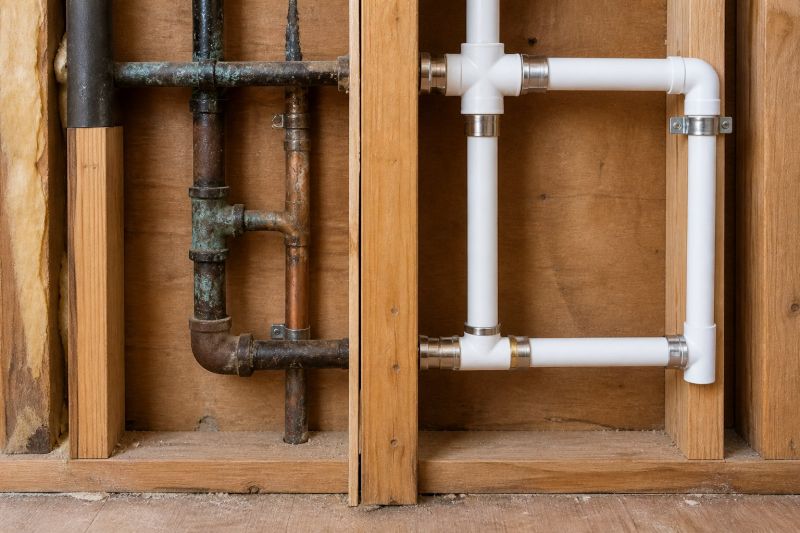
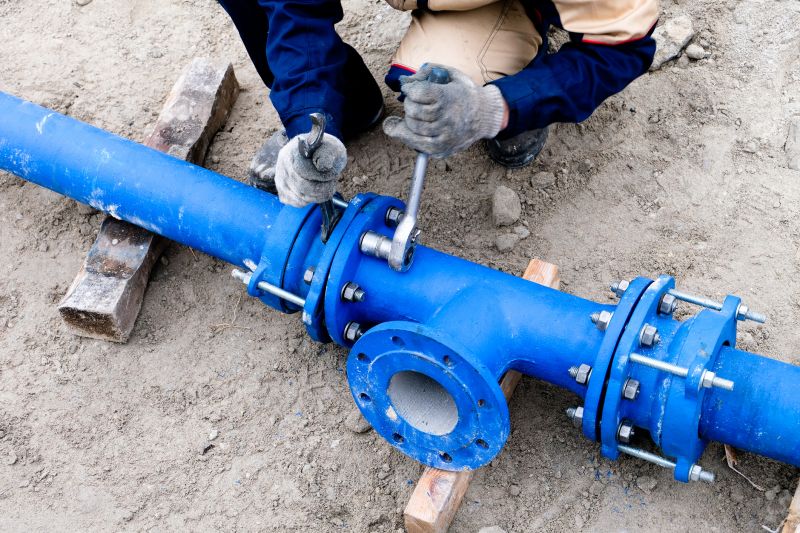
Piping Replacement Questions
What are signs that piping needs replacement? Signs include frequent leaks, low water pressure, rust-colored water, and visible corrosion or damage to pipes.
What types of pipes are commonly replaced? Commonly replaced pipes include galvanized steel, copper, and polybutylene piping systems.
Why should property owners consider replacing outdated pipes? Replacing outdated pipes helps prevent leaks, water damage, and improves water quality and flow.
What projects typically involve piping replacement? Projects often include remodeling, addressing pipe leaks, replacing corroded pipes, or upgrading plumbing systems for better reliability.
Request Piping Replacement in Denver, CO
Use the quote form on this page to share the basics of your project and request more information for the type of work you need.